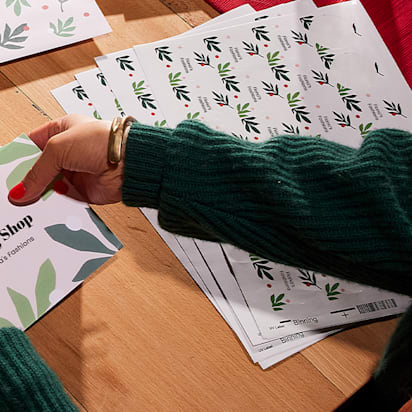
Holiday hosting hits differently when you’re planning the company party and the family gathering in the same few weeks. For small business owners and busy professionals, Q4 can mean two guest lists, two budgets and two very different events competing for the same calendar.
This holiday party planning guide brings both sides together with practical timelines, step-by-step plans and holiday celebration essentials for work and home – so you can plan with confidence and enjoy both events.
- Start 4–6 weeks ahead to secure vendors, collect RSVPs and order custom supplies.
- Plan work and home events together to combine orders, shopping and prep.
- For company parties, set the goal, budget and headcount before choosing the format, catering and event details.
- For home gatherings, plan around your space, budget and kitchen, then prep and decorate ahead.
- Use custom print and decor to guide guests, dress the space and tie the event together.
- Finish with a thoughtful favor, presented in coordinated wrapping or packaging.
The master holiday hosting timeline: Planning your events for work and home
Business and home holiday hosting differ in scale, budgets and guest expectations, but follow similar milestones. Start at least four to six weeks ahead, prioritizing anything dependent on availability, production or delivery.
Planning both? Keep the timelines side by side and combine shopping, orders and prep where practical.
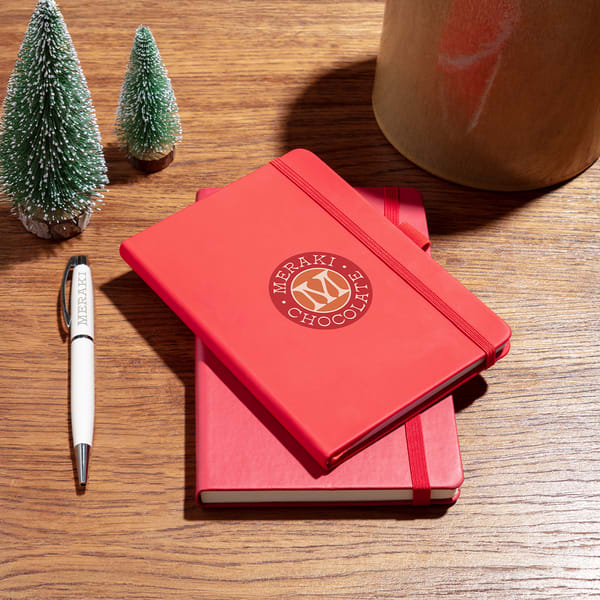
Use VistaPrint custom notepads for separate catering, guest and vendor lists, plus one master list for shared deadlines.
Company holiday party planning timeline
For company holiday party planning, work around vendor deadlines and lock down the logistics early.
4-6 weeks before
- Set the budget, date, format and estimated headcount.
- Book the venue, caterer and key vendors.
- Send invitations and set the RSVP deadline ahead of the caterer’s final-count cutoff.
- Plan and order custom signage, menus, place cards and decor.

2-3 weeks before
- Review RSVPs and follow up with nonresponders.
- Finalize the menu, drinks, layout and event schedule.
- Order favors and remaining holiday party supplies.
- Confirm entertainment, equipment and deliveries.
1 week before
- Send guests arrival details and any dress code.
- Check print, decor and supply orders.
- Confirm responsibilities for setup, hosting and cleanup.
1-3 days before
- Submit the final headcount by your vendor’s deadline.
- Organize supplies by setup area.
- Confirm vendor arrival and delivery times.
The day of the event
- Walk through the space and check signage, seating and food stations.
- Brief your helpers and vendors.
- Keep the run-of-show handy, then focus on your guests.
Home gathering planning timeline
At home, work backward from the meal and clear as much as possible from the final-day workload.
4-6 weeks before
- Set the date, guest list and budget.
- Send invitations and ask about dietary requirements.
- Decide what you’ll cook, order or delegate.
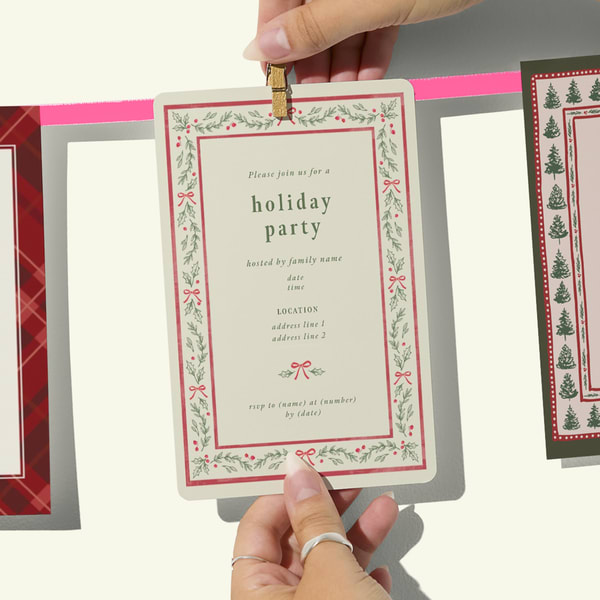
- Design and order custom invitations, menus or place cards.
2–3 weeks before
- Finalize the menu and order specialty foods.
- Buy drinks and nonperishable groceries.
- Plan your tablescape and check chairs, tableware and serving pieces.
1 week before
- Confirm guest numbers.
- Prepare freezer-friendly dishes.
- Wash linens, glassware and serving pieces.
1–3 days before
- Buy fresh groceries and prepare make-ahead dishes.
- Clean guest areas and set the table.
- Create a cooking schedule based on available oven and stovetop space.

The day of the event
- Finish fresh dishes and chill or open drinks.
- Set out appetizers before guests arrive.
- Clear the kitchen as you cook and delegate small jobs where helpful.
Holiday hosting planner: Work & home
Company holiday party planning guide: How to host a memorable office event
A memorable company holiday party comes down to a series of practical decisions: why you’re hosting, who’s coming, what you’ll spend and how the event will run. Work through these steps in order to cover the holiday celebration essentials without losing sight of the people you’re planning for.

1. Decide what the event needs to achieve
Choose one primary purpose before setting the budget or booking a venue. It determines the guest list, format and spending priorities.
| Main goal | Best-fit format | Planning priority |
|---|---|---|
| Reward employees | Festive lunch, dinner or relaxed party | Good food, convenient timing and recognition |
| Build team relationships | Workshop, activity or casual meal | Shared experiences and plenty of time to socialize |
| Thank clients | Reception, dinner or open house | Personal hosting, conversation and polished presentation |
| Connect clients and employees | Reception or larger social event | Introductions, networking space and smooth guest flow |
| Celebrate company wins | Lunch, awards dinner or year-end party | Recognition, short speeches and informal social time |
Write a one-sentence event brief: “A relaxed afternoon for our 30-person team to celebrate the year together away from their desks.” Use it as a filter when comparing venues, activities and other expenses. If something doesn’t serve that brief, it probably doesn’t need the budget.
2. Build the budget around your guests
Set your total budget, reserve 5–10% for unexpected costs, then work out how much you can spend per guest:
(Total budget – contingency) ÷ guest count = budget per person
Factor in:
- venue
- food and drinks
- entertainment
- print, decor and party supplies
- gifts or favors
- transport, if needed
Ask vendors for the all-in cost, including staffing, delivery, rentals, service fees, gratuities and tax. The headline price rarely tells the whole story.
Keep the headcount accurate
Track each invitee as yes, no or awaiting response, plus any guests, dietary requirements and accessibility needs. Update your headcount and per-person budget as responses arrive.
Set the RSVP deadline several days before the caterer’s final-count cutoff so you can chase nonresponders before numbers become billable.
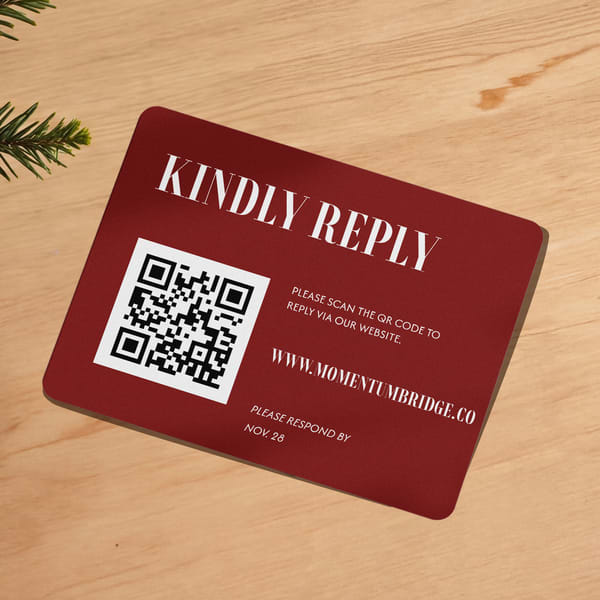
Add flair with custom RSVP cards, or save on print with a QR code linking to a digital RSVP form.
3. Choose an office holiday party idea that fits the budget
Now turn your per-person budget into an event you can actually afford. Start with the format, then decide where any remaining budget will make the biggest difference.
- Smaller budget: Catered breakfast, festive office lunch, cookie swap or team games
- Mid-range: Restaurant lunch, creative workshop, trivia night or catered evening event
- Larger budget: Private dining, venue party with entertainment or client-and-team reception
Also consider timing, transport, childcare and whether attendance cuts into employees’ personal time.
Compare an evening party with a weekday lunch before booking. Keeping the celebration within working hours can remove childcare headaches, late travel and pressure to drink, making the simpler option considerably more popular.
4. Plan catering around the guest list and format
Use RSVP data to cover dietary requirements and allergies, label dishes clearly and offer proper non-alcoholic options.

Match service to the event:
- Buffet: Casual events and varied dietary needs
- Passed bites: Standing receptions and networking
- Plated meal: Formal events with firm headcounts and assigned seating
Ask how long service will take for your headcount. One buffet station for 80 guests can turn lunch into a queue.
5. Design and order your event print materials
Once event details are confirmed, plan any menus, place cards, table numbers and signage. Allow time for production, delivery and corrections, and proof names, dates, addresses and QR codes before ordering.

6. Build the run-of-show and assign responsibilities
Map out vendor arrival → setup → guest arrival → food → speeches or activities → close → cleanup, assigning a time and owner to each.
Put specific people in charge of vendors, AV and guest questions, and share their details with relevant suppliers.

7. Switch from planner to host
Arrive early and check the layout, signage, catering and AV. Once guests arrive, leave logistics to the people you assigned.
Welcome people, circulate and make introductions, especially between clients and relevant team members. Keep speeches short and activities optional where possible. At this point, your job is to host, not rearrange place cards.
Want your holiday event to work harder for your business? Explore more holiday marketing ideas for small businesses to build it into a wider seasonal campaign.
Hosting family and friends: General holiday hosting tips for home
Home holiday hosting has fewer moving parts than a company event, but more of them tend to be your responsibility. Plan around three constraints: space, budget and kitchen capacity.
1. Invite the number of guests you can comfortably host
Your maximum guest count is the number of people you can seat, feed and accommodate without making the house difficult to use:
- For dinner, count actual dining seats and place settings.
- For drinks and appetizers, you can host more because everyone won’t need a chair at once.
Check coat storage, bathroom access and room to circulate, too.
Do a dry run before sending invitations. Put the extra table leaves in and arrange every chair you plan to use. You’ll know quickly whether 14 guests genuinely fit.

2. Set a holiday hosting budget
Choose a total you’re comfortable spending, then split it between:
- Food
- Drinks
- Decor, flowers and print
- Tableware or serving pieces
- Favors or other extras
Check what you already own before shopping. Spend selectively on food, too: pair a good main course with simpler seasonal sides.

3. Plan the menu around your kitchen, not your ambitions
For 10+ guests, oven and refrigerator space become part of menu planning. Balance a main dish with make-ahead sides, stovetop dishes and cold items rather than scheduling everything for the oven.
To scale a recipe, use:
Recipe multiplier = Servings needed ÷ Original servings
Scale ingredients with that number, but adjust seasoning gradually and follow doneness rather than simply multiplying cooking time.
Write the oven temperature beside every hot dish on your menu. If the numbers clash, change the menu now rather than attempting culinary Tetris on Christmas Eve.
4. Get tomorrow’s jobs done today
Use the final two or three days for anything that keeps well: desserts, sauces, dressings, suitable sides and ingredient prep. Set aside each serving dish with its utensil so you’re not hunting through cupboards during dinner.
Batch drinks ahead too. Prepare a cocktail base and an alcohol-free alternative, then add ice, sparkling wine or soda shortly before serving.
5. Decorate in stages
Decide on the look of your table and entertaining space before shopping, then fill the gaps rather than replacing everything you already own. Order personalized decorations, menus or place cards early enough to allow for production and delivery.

Put up room decor several days ahead. One or two days before, set the table and add linens, menus and place cards. Leave flowers, candles and other fresh or fragile finishing touches until the day itself.
6. Set up the house around your guests
Once the room looks ready, make sure it works too. Keep drinks and appetizers away from the kitchen work zone, clear refrigerator and counter space and choose a spot for used dishes.

At the entrance, create an obvious place for coats and bags, with enough empty hangers ready.
Think about traffic flow before moving furniture back into place. Guests should be able to get from the entrance to drinks, seating and the bathroom without cutting through your cooking area.
7. Handle arrivals, then switch into host mode
Proper hosting etiquette means making guests comfortable without spending the evening waiting on them.
Keep the first few minutes simple:
- Be ready 15–20 minutes early: Have music on, drinks chilled and one appetizer ready for early arrivals.
- Take coats and make introductions: Connect guests who don’t know each other.
- Give willing helpers a job: Ask them to refill water, carry dishes or top up appetizers.
- Sit down for dinner: Once everyone is settled, enjoy the evening with them.
Custom holiday party decorations and print ideas for work and home
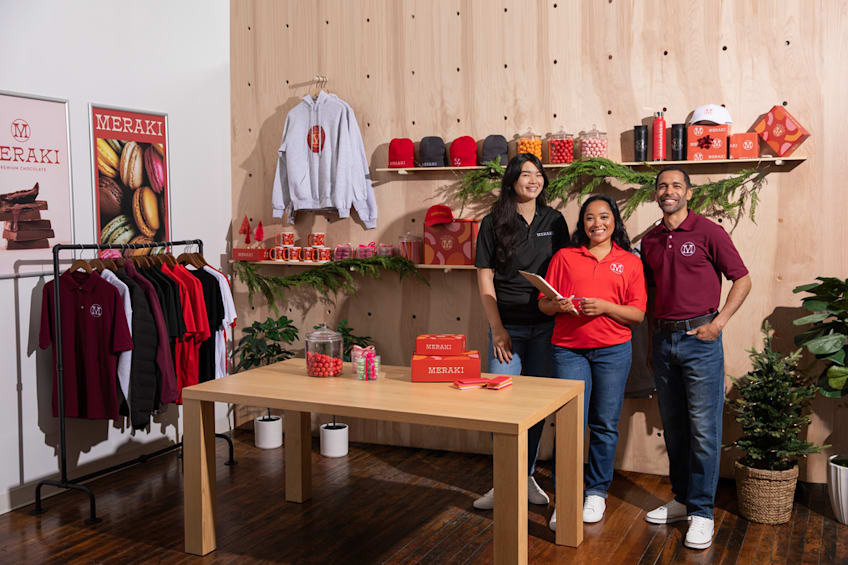
Good holiday party supplies help guests navigate the event and give the space a cohesive look. For businesses, custom print can also bring the brand into the celebration without turning the room into a trade show booth.
Set the tone with invitations
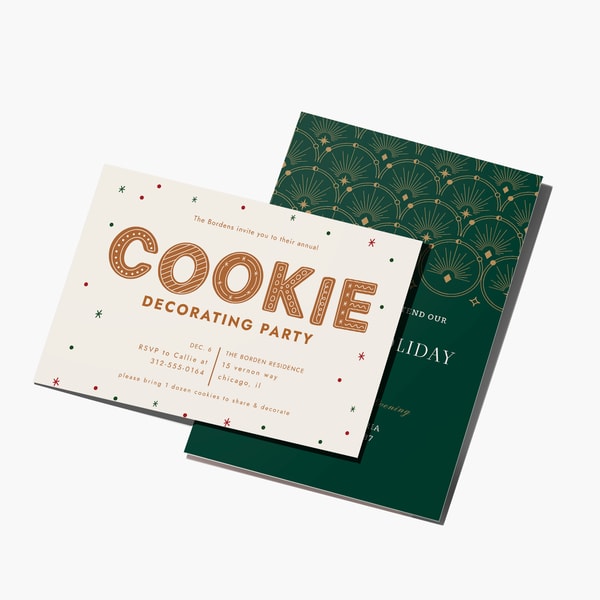
Invitation cards cover the practical details while giving guests their first taste of the event.
| Detail | Business holiday party | Home gathering |
|---|---|---|
| Design | Adapt your brand colors for the season using holiday color palettes for inspiration, and keep the logo discreet | Use a family photo, illustration or motif you can repeat later |
| Useful addition | Add a QR code for digital RSVPs | Note what to bring if guests are contributing food or gifts |
Make arrival self-explanatory
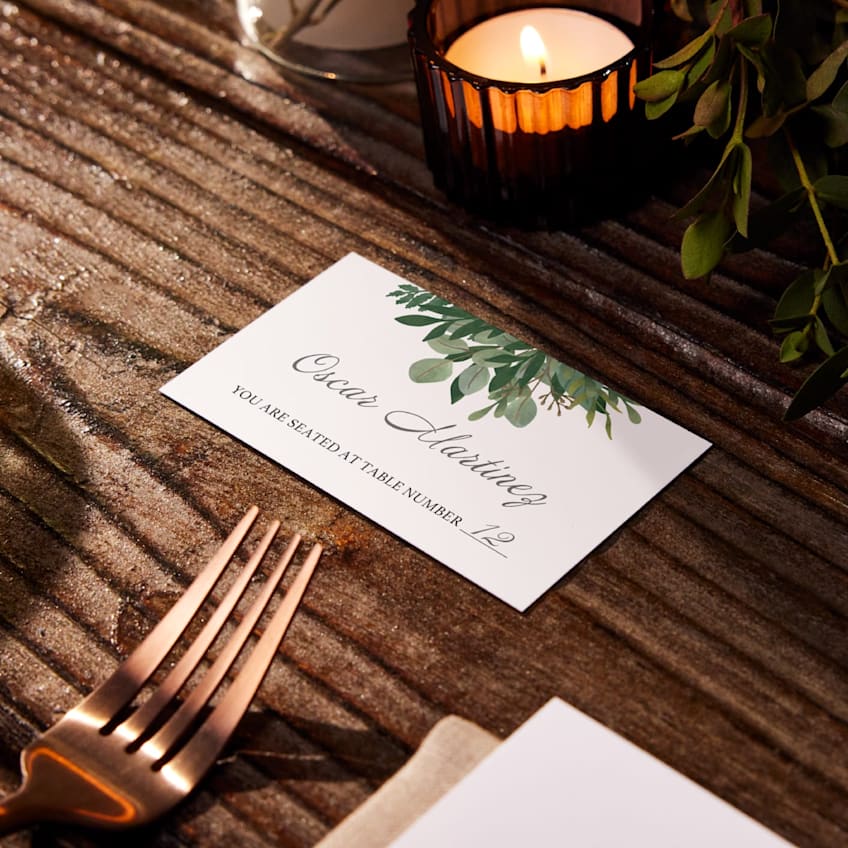
Once guests walk in, print can take over some of the directing. Welcome and directional signs are particularly useful for larger venues, while place cards and small labels earn their keep at almost any gathering.
| Detail | Business holiday party | Home gathering |
|---|---|---|
| Useful print | Welcome signs, directional signs, table numbers and place cards | Place cards, drink signs and buffet labels |
| Design | Repeat the invitation’s colors, typography and seasonal graphics | Carry one motif from the invitation onto the table |
Put useful details on the table
Printed menus tell guests what’s being served and make dietary options easier to spot. Custom napkins add another design detail without stealing table space.
| Detail | Business holiday party | Home gathering |
|---|---|---|
| Menus | Add the event name and small logo; mark dietary options clearly | Personalize individual menus with guest names so they double as place cards |
| Napkins | Try a seasonal icon, short message or event hashtag | Use initials, a family name, illustration or favorite saying |


Dress the space without decorating every surface
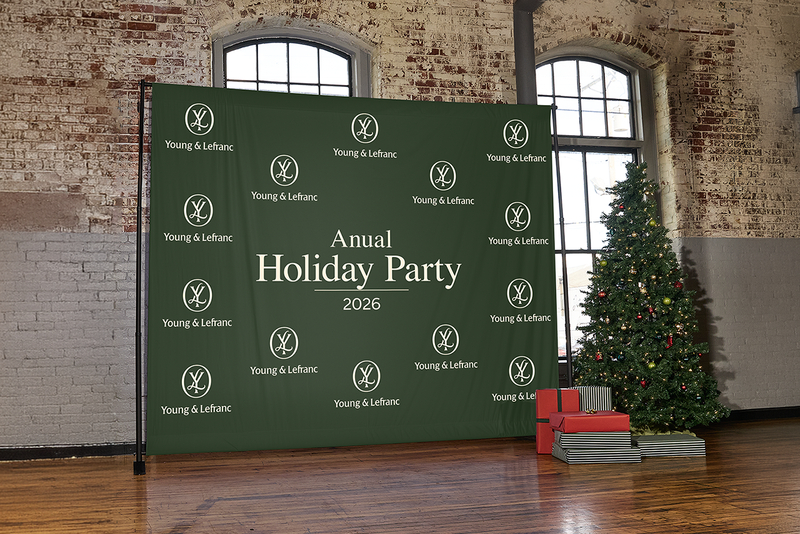
A few larger pieces can establish the look faster than dozens of small decorations. Focus your budget on visual anchors such as the main wall, bar, dining area or photo spot.
| Custom decoration | Business holiday party | Home gathering |
|---|---|---|
| Posters and banners | Turn company milestones, team photos or a custom holiday illustration into wall decor | Print family photos, vintage-style holiday artwork or a personalized festive design |
| Table covers and runners | Bring brand colors into buffet, bar or registration tables | Add a seasonal pattern or personalized design to the food or dining table |
| Window decals | Turn office or venue windows into branded seasonal decor | Add removable festive graphics to windows or glass doors |
| Step and repeat banners | Build a photo zone around the event theme, logo and seasonal graphics | Create a photo backdrop for larger parties, reunions or family celebrations |


Pick one visual anchor rather than branding every available surface. A strong photo backdrop or dressed drinks station will usually make more impact than scattering logos around the room.
Finish with party favors and thoughtful gift presentation
A small takeaway gives the event a proper send-off. Keep it useful, edible or personal, with presentation to match.
| Detail | Business holiday party | Home gathering |
|---|---|---|
| Favor idea | Branded swag, local treats or a useful desk accessory | Baked goods, ornaments or small homemade gifts |
| Presentation | Use custom tissue paper featuring your logo or event design | Repeat the table motif, family initials or a festive pattern on custom wrapping paper |


For business gifts, make the reveal part of the experience. Coordinated tissue, a tag or sticker and neat holiday packaging create an unboxing moment that gives your branding one last appearance without overwhelming the gift.
Browse our corporate holiday gift ideas for party favors at different price points.
Ready to host a holiday event?
Whatever kind of celebration you have coming up, give yourself plenty of time to plan it properly. Start early, prioritize anything with a firm deadline and keep a close eye on your guest count and budget. With a solid plan and reliable vendors, both the company party and family gathering become much easier to manage.
Holiday hosting FAQs
When should I send holiday party invitations?
Send invitations 4–6 weeks ahead, allowing more notice for large events, travel or busy December dates. Set the RSVP deadline several days before your caterer needs the final headcount.
What should I do if guests cancel at the last minute?
For a catered business event, tell the venue or caterer as soon as possible, although you may still be charged once the final headcount is locked. At home, avoid redesigning the meal around one cancellation; extra portions can usually be packed up, frozen or sent home with guests.
How should I handle guests who don’t RSVP?
Follow up once shortly before your RSVP deadline with a clear cutoff: “We’re confirming numbers with the caterer on Friday, so please let me know by Thursday if you can make it.” For events with per-person costs, don’t count an unanswered invitation as a yes.
Should holiday party attendance be optional for employees?
Generally, yes. If a company celebration takes place outside normal working hours, make expectations especially clear and avoid creating pressure around attendance, alcohol or participation in activities. If broad attendance matters, scheduling the event during working hours can make it easier for more employees to join.
How much extra food should I prepare for a holiday gathering?
For a seated meal with a confirmed guest list, plan close to the expected number of servings, with a modest buffer for generous portions or unexpected guests. Buffets and open-house parties usually need more flexibility because guests serve themselves and arrival times vary.
What should I keep on hand for unexpected holiday guests?
A few low-effort backups can rescue both home and office gatherings: extra glassware, napkins, ice, non-alcoholic drinks and one shelf-stable or freezer-friendly appetizer. Keep a handful of blank place cards or gift tags too, especially if seating or favors are personalized.