
Promotional gifts are items given to customers, employees or collaborators as a reward. They can be for any achievement: celebrating ongoing loyalty, hitting a specified sales quota, recognizing an outstanding innovation or even as part of an onboarding package.
Promotional gift ideas work best when they’re part of a plan, not a last-minute add-on. In this guide, you’ll learn how customer gifting fits into a smart promotional strategy, including why it drives loyalty, retention and referrals. We’ll walk through the best moments to send gifts, how often to do it without overdoing it and a simple decision model to choose the right item. You’ll also find gift ideas by budget and customer segment, plus best practices and measurement tips.
- Promotional gifting works best when it’s tied to a goal like retention, reactivation, referrals, onboarding, or apology.
- Timing matters: the right moment can outperform a bigger budget.
- Use a simple decision model including who, goal, budget and personalization to pick gifts customers actually use and remember.
- Quality + usefulness beat novelty: Avoid over-branding and low-quality items that get tossed.
- Track impact with repeat purchases, referral rate, feedback and A/B tests to improve your program over time.
What is promotional gifting?
Promotional business gifting is the practice of sending a higher-value item to a specific person to mark a moment and foster a relationship, often as part of customer gifting, retention or account growth. It’s not the same as giveaways or everyday swag. Promotional gifts tend to be produced in smaller quantities, are typically higher quality than trade-show freebies and may be personalized for the recipient.
A true promotional gift feels meaningful, created to commemorate a milestone or support a relationship. Whereas you might find non-personalized, simpler promotional products in a swag bag or with an e-commerce order, promotional gifts are higher-value items given to specific individuals to mark milestones or show appreciation.
Promotional gifts are often given to:
- VIP clients
- Notable team members
- Employees
- Contest winners
- Business collaborators

Why customer gifting works
Customer gifting works because it creates a real-world reminder of your brand at the exact moment you want to strengthen the relationship. Unlike many marketing touchpoints that disappear quickly, a useful physical item can stay in someone’s routine, reinforcing your business through repeated use.
When gifting is aligned with your goals, it supports retention and repeat purchases by encouraging the next order, strengthens loyalty by making customers feel valued and improves brand perception by signaling quality and care. It can also drive referrals and advocacy because thoughtful gifts are inherently shareable – people mention them, show them and remember the experience.
Custom graphic: A simple visual showing customer gifting with a present icon that has several arrows leading off to: Retention & repeat purchases, loyalty, referrals & advocacy, brand perception and stand-out factor.
When should a business send customer gifts?
The best time to send customer gifts is when the gesture reinforces the behavior you want next or strengthens the relationship at a turning point.
Best moments to gift
Customer gifts work best when they reinforce a key lifecycle moment. Consider sending one after a first purchase or booking to encourage a second order, at milestones to recognize loyalty or after high-value actions like referrals, reviews or upgrades. You can also use gifting to re-engage lapsed customers, support adoption of a new product or feature, or create occasional surprise-and-delight moments that feel truly unexpected.
Service recovery gifting (when something goes wrong)
Service recovery is one of the most important times to gift because it protects trust, and trust protects lifetime value. A simple “make it right” framework works well here: acknowledge the issue clearly, fix the problem quickly and then add a modest gift that matches the inconvenience. The point is not to overcompensate or make the moment transactional; it’s to restore confidence with an appropriate, relevant gesture and a sincere message that shows you took the customer’s experience seriously.

How often should you gift customers?
How often you gift should depend on customer value, your margins and the length of the relationship, because gifting loses impact when it becomes expected. For many businesses, a baseline approach is to gift at a few high-impact moments per year or per lifecycle stage, such as after a first purchase and at meaningful milestones.
For VIP customers, a higher cadence can make sense because the relationship value is higher, but even then, the best programs keep gifts intentional rather than routine. A practical rule of thumb is that frequency should follow value plus margin plus relationship length: the more valuable the customer, the healthier the margin, and the longer the relationship, the more often you can justify gifting.
A simple decision model to choose the right gift
To choose the right gift quickly, focus on four inputs: who it’s for, what you want it to achieve, your budget tier and the level of personalization.
Step 1 — Who are you gifting to?
Start by identifying the recipient group because each segment interprets gifts differently and each warrants a different level of investment. A new customer typically needs reassurance and a reason to return, a repeat customer benefits from recognition, a VIP may expect premium quality, a referral partner should feel appreciated for advocacy and a contest winner needs a gift that feels exciting and clearly earned.
Step 2 — What’s the goal?
Next, get specific about what you want the gift to accomplish. Retention-focused gifts aim to shorten the time to the next purchase, while reactivation gifts are designed to restart a paused relationship. Referral gifts reward advocacy and encourage future recommendations, onboarding gifts help new customers feel confident and connected, and apology gifts are meant to rebuild trust after something goes wrong.

Step 3 — What’s the budget tier?
Once the goal is clear, choose a budget tier that fits your margins and the customer’s value. A modest gift can be extremely effective when the timing and relevance are right, while premium tiers should be reserved for VIPs, major milestones, high-value partners or serious service recovery moments where trust is at stake.
Step 4 — What level of personalization?
Finally, decide how personal the experience should feel. Personalization often increases perceived value far more than spending more money, especially when it’s consistent and intentional. With VistaPrint, personalization at scale can include names, customized messaging inserts and cohesive brand design across the gift and packaging, which makes even a modest item feel curated rather than mass-produced.
Gift ideas by budget and customer segment
To make customer gifting easier to plan, these promotional gift ideas are organized by budget and customer segment so you can match the right item to the right audience and goal.
Under $20
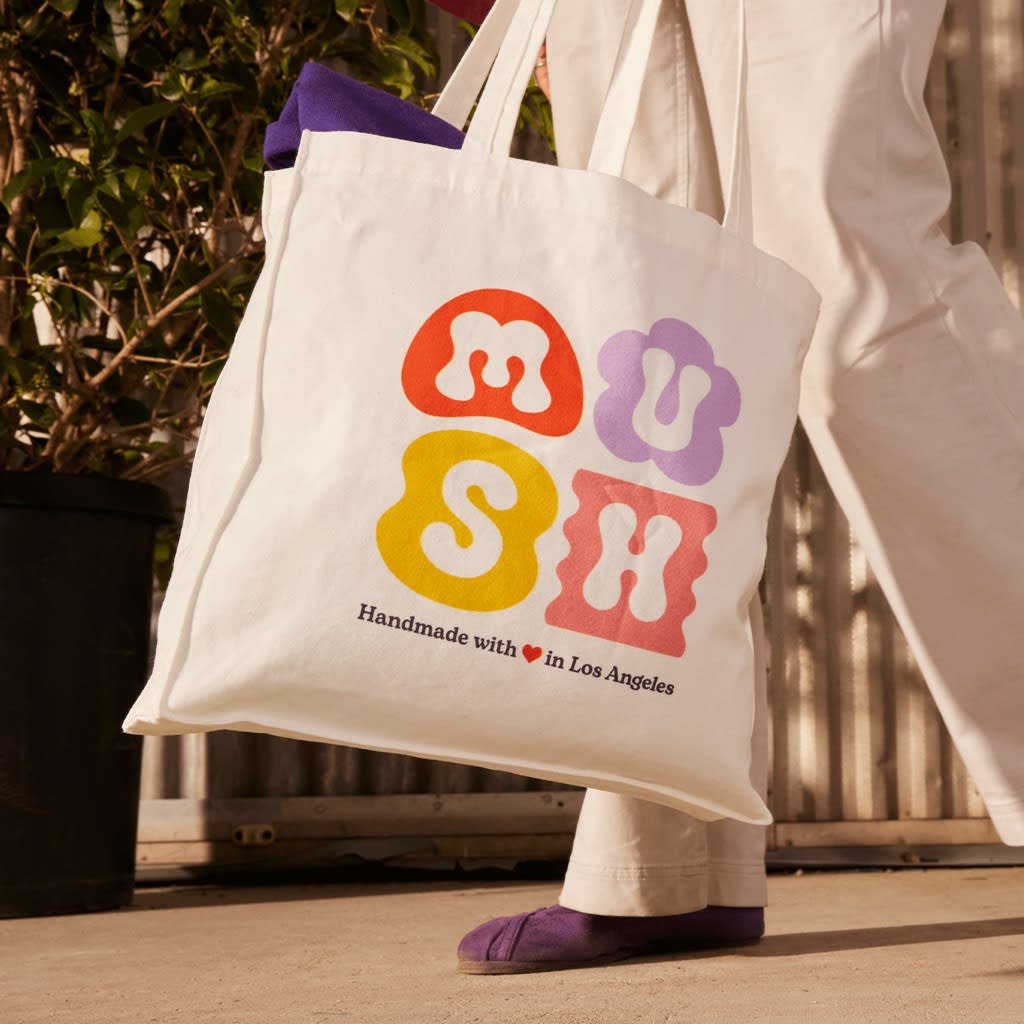
In the under $20 tier, the strongest promotional gift ideas tend to be practical, easy-to-ship items that customers will actually use. This tier is ideal for first-purchase gifts and lightweight thank-you moments because it allows you to reach more customers while keeping the gesture meaningful.
- Stickers
- Small stationery
- Basic drinkware
- Keychain
- Tote
$20-$50
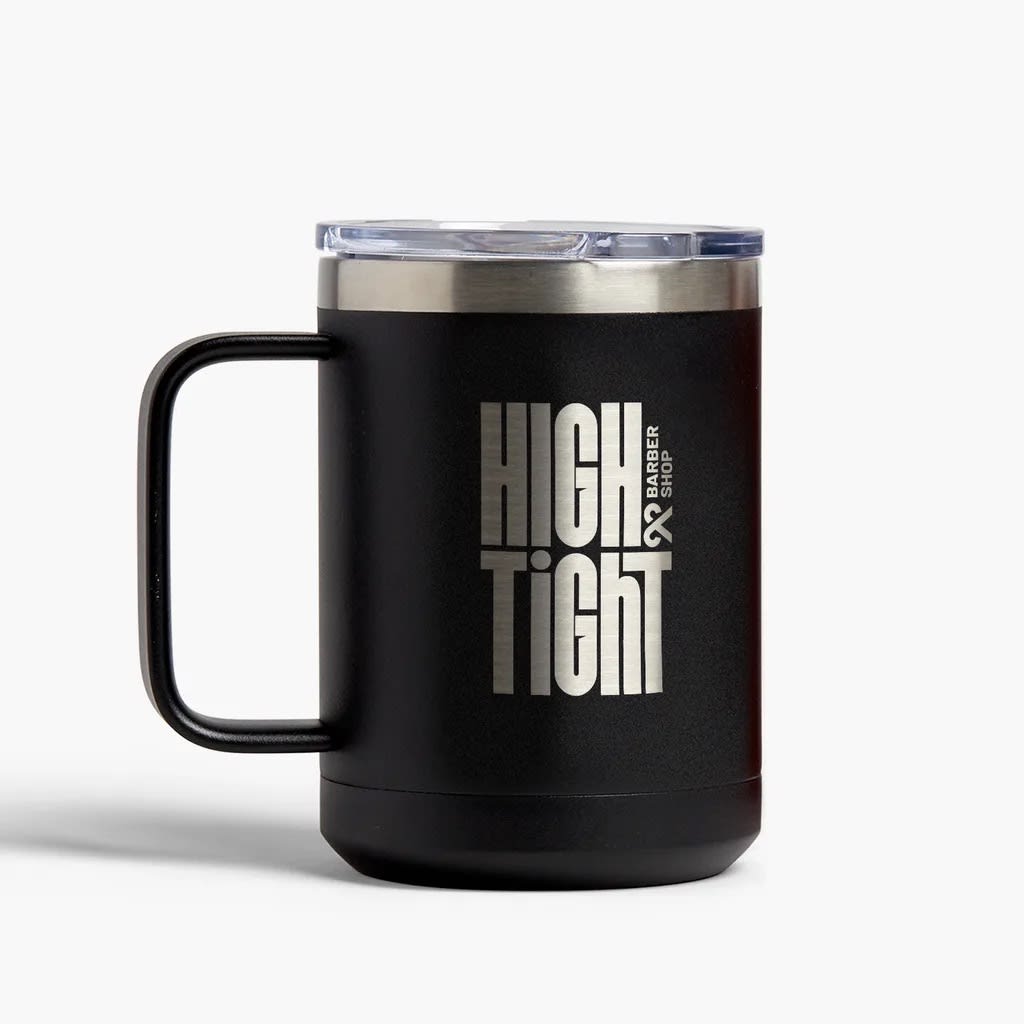
In the $20-$50 tier, you can elevate quality and usefulness in a way recipients notice immediately. This range is often a sweet spot for repeat customers, referrals and milestones because it feels more substantial while still being scalable.
- Upgraded drinkware
- Custom hoodies/T-shirts
- Nicer notebooks/planners
- Compact tech accessories
- Lunch bags
Over $50
Over $50 is best reserved for moments where the relationship value is high or the impact needs to be strong, such as VIP customers, significant milestones or serious service recovery. Premium gifts tend to stick longer, which increases long-term brand recall.
- Premium outerwear
- Higher-end bags
- Curated sets (glassware set + note)
- Wall art for office

Segment-specific mini lists
Matching gifts to customer segments improves results because the gift feels relevant rather than generic. Here are segment-specific ideas organized exactly as outlined.
Remote teams/desk workers:
- Drinkware
- Notebooks
- Desk accessories
- Photo calendar
On-the-go customers:
- Tumblers
- Bags
- Travel-friendly items

Wellness/lifestyle:
- Towels
- Leggings
- Recovery-style items
Home/office owners:
- Wall art
- Photo tiles
- Wood prints
Totally unique ideas
Totally unique gift ideas work best when your goal is surprise, story and shareability, because the right unexpected gift becomes memorable and memorable gifts get talked about.
- Sunflower kit
- Wearable blanket
- Pizza grill set
- Personalized pet gift

Best practices for customer gifting
There are a few best practices to keep in mind when it comes to customer gifting.
What to prioritize
- Value. The gift should provide value to the recipient, which can be measured through its worth or the experiences it provides.
- Usefulness. The best promotional gifts should be useful in some way. Think about how the gift will fit into the recipient’s daily routine – it should make that routine easier, faster or more enjoyable.
- Quality. Promotional gifts should be of higher quality than giveaway items, providing long-lasting value.
- Thoughtfulness. Years from now, the person who receives your promotional gift will still think of your brand every time they use it. Think about how you can make the gift thoughtful and personal to your brand and the recipient.
Common mistakes to avoid
- Over-branding that makes the gift feel like an ad.
- Irrelevant swag that doesn’t match the recipient’s lifestyle or needs.
- Low-quality items that break quickly and hurt brand perception.
- No message or context, leaving the recipient unsure why they received it.
- Poor timing that makes the gesture feel transactional or confusing.
How to measure gifting effectiveness
Track results based on your goal: repeat purchase rate and time-to-next-order for retention, referral/share rate for advocacy, and quick customer feedback for usefulness. If you include codes or QR links, monitor redemption and run simple A/B tests (gift vs. no gift, personalized vs. generic) to improve over time.

Keep it genuine and intentional
The strongest promotional gift ideas are the ones that support a clear goal, arrive at the right moment and feel genuinely useful to the person receiving them. Whether you choose a small item that reinforces a first purchase, a mid-tier gift that celebrates a milestone, or a premium option for VIP customers, the strategy stays the same: align the gift to the customer segment, match it to the intended outcome, and personalize the experience so it feels intentional. When done well, customer gifting becomes a practical retention tactic that strengthens loyalty, encourages repeat purchases and improves brand perception without relying on holiday-specific campaigns.
FAQs
What are good promotional gifts for customers?
Good promotional gifts are useful, well-made and aligned with the customer’s lifestyle, such as drinkware, bags, notebooks and curated sets for higher-value relationships. The best options are chosen based on who you’re gifting and what you want the gift to accomplish, rather than what happens to be trendy.
When should you give customer gifts?
Strong moments include first purchase, milestones, referrals, win-back moments, new product adoption and service recovery. Timing and relevance frequently matter more than the price tag.
How often should businesses gift customers?
Many businesses see the best results by gifting at a few high-impact lifecycle moments per year, increasing cadence for VIPs while avoiding over-gifting. A practical rule is that frequency should follow customer value, margins and relationship length.
Are branded gifts effective for retention?
Yes, branded gifts can be effective for retention when the branding is tasteful and the item is genuinely useful. High-quality gifts can increase positive brand perception and encourage repeat purchases without training customers to wait for discounts.
How do I choose a gift customers will actually use?
Start with the recipient segment and goal, then select a budget tier that fits your margins and add personalization that makes the gift feel intentional. Pairing the gift with a short message explaining the “why” increases the chance it will be kept, used and remembered.


